
Building Trust Through Global Standards & Compliance
Prosprint Technologies helps organizations achieve compliance with internationally recognized standards and regulatory frameworks, including ISO/IEC 27001, ISO/IEC 27701, ISO/IEC 42001, ISO/IEC 20000-1, ISO 22301, ISO 9001, SOC, HIPAA, GDPR, DPDP, TISAX®, CMMI, and FDA 21 CFR Part 11. We provide end-to-end consulting services—from gap assessments and implementation to internal audits, certification readiness, and continual improvement—helping organizations strengthen governance, manage risk, improve operational performance, and maintain ongoing compliance.

International Standards & Compliance Frameworks
Explore globally recognized standards and regulatory frameworks designed to strengthen governance, improve quality, enhance security, privacy, and operational excellence.
ISO 9001:2015
Quality Management System focused on continual improvement and customer satisfaction.
ISO / IEC 27001
Information Security Management System to protect critical business information.
ISO / IEC 27701
Privacy Information Management System supporting privacy and data protection.
ISO / IEC 42001
Artificial Intelligence Management System for responsible AI governance.
ISO / IEC 20000-1
IT Service Management System ensuring reliable and high-quality IT services.
ISO 22301
Business Continuity Management System to improve organizational resilience and recovery.
SOC Compliance
Demonstrates strong security controls for protecting customer information and business systems.
GDPR
Ensure compliance with European data privacy regulations and safeguard personal information.
DPDP Act
Support compliance with India's Digital Personal Data Protection Act through effective governance.
HIPAA
Protect healthcare information through internationally recognized security and privacy practices.
FDA 21 CFR Part 11
Regulatory compliance for electronic records and electronic signatures in life sciences.
ISO 22301 – Business Continuity Management System (BCMS)
ISO 22301 is the internationally recognized standard for Business Continuity Management Systems (BCMS). It helps organizations prepare for, respond to, and recover from disruptive events while maintaining critical business operations and strengthening organizational resilience.
ISO 22301 emphasizes Business Impact Analysis (BIA), risk assessment, Business Continuity Planning (BCP), Disaster Recovery (DR), crisis management, response and recovery planning, resilience testing, and continual improvement. Certification demonstrates an organization's capability to minimize operational disruption and maintain business continuity during unexpected events.


SOC Services
SOC examinations provide independent assurance over an organization's internal controls related to financial reporting, security, availability, processing integrity, confidentiality, and privacy. SOC reports demonstrate effective governance, operational controls, and compliance with customer and regulatory expectations.
SOC 1 evaluates controls relevant to financial reporting, while SOC 2 assesses Security, Availability, Processing Integrity, Confidentiality, and Privacy using the Trust Services Criteria. SOC 3 provides a public-facing summary of SOC 2 results. Organizations may pursue either a Type I examination, which evaluates control design at a specific point in time, or a Type II examination, which evaluates both design and operating effectiveness over a defined review period.
General Data Protection
Regulation (GDPR)
The General Data Protection Regulation (GDPR) establishes a comprehensive framework for protecting personal data and privacy within the European Union. It enables organizations to process personal information lawfully, transparently, and securely while protecting the rights and freedoms of individuals.
GDPR emphasizes lawful processing, transparency, consent management, data subject rights, privacy governance, data protection, breach notification, accountability, and ongoing compliance through documented policies, procedures, and technical and organizational safeguards.


Digital Personal Data Protection
(DPDP)
The Digital Personal Data Protection (DPDP) Act establishes India’s framework for protecting personal data and strengthening privacy governance. It enables organizations to responsibly collect, process, store, and protect personal information while meeting statutory obligations and demonstrating accountability.
DPDP focuses on consent management, privacy governance, personal data protection, data handling, regulatory compliance, accountability, and ongoing compliance monitoring to establish a sustainable privacy management framework aligned with Indian regulatory requirements.
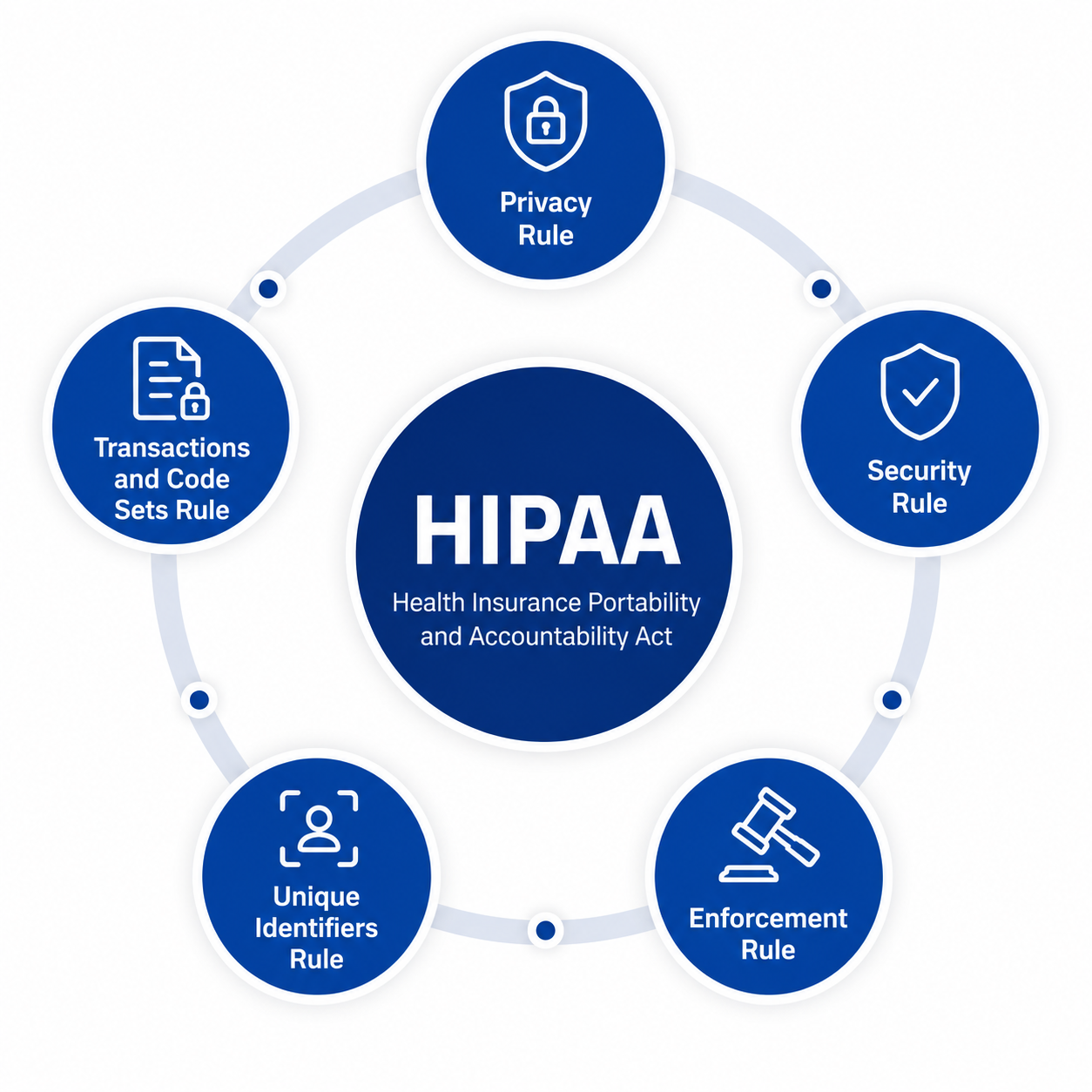
HIPAA Compliance
HIPAA establishes requirements for protecting the privacy, security, and confidentiality of Protected Health Information (PHI) and Electronic Protected Health Information (ePHI). It helps healthcare organizations and business associates implement appropriate safeguards while complying with healthcare regulations.
HIPAA requires Administrative, Physical, and Technical Safeguards, compliance with the Privacy Rule and Security Rule, regular risk assessments, user access controls, Business Associate Agreements (BAA), and ongoing protection of Protected Health Information throughout its lifecycle.
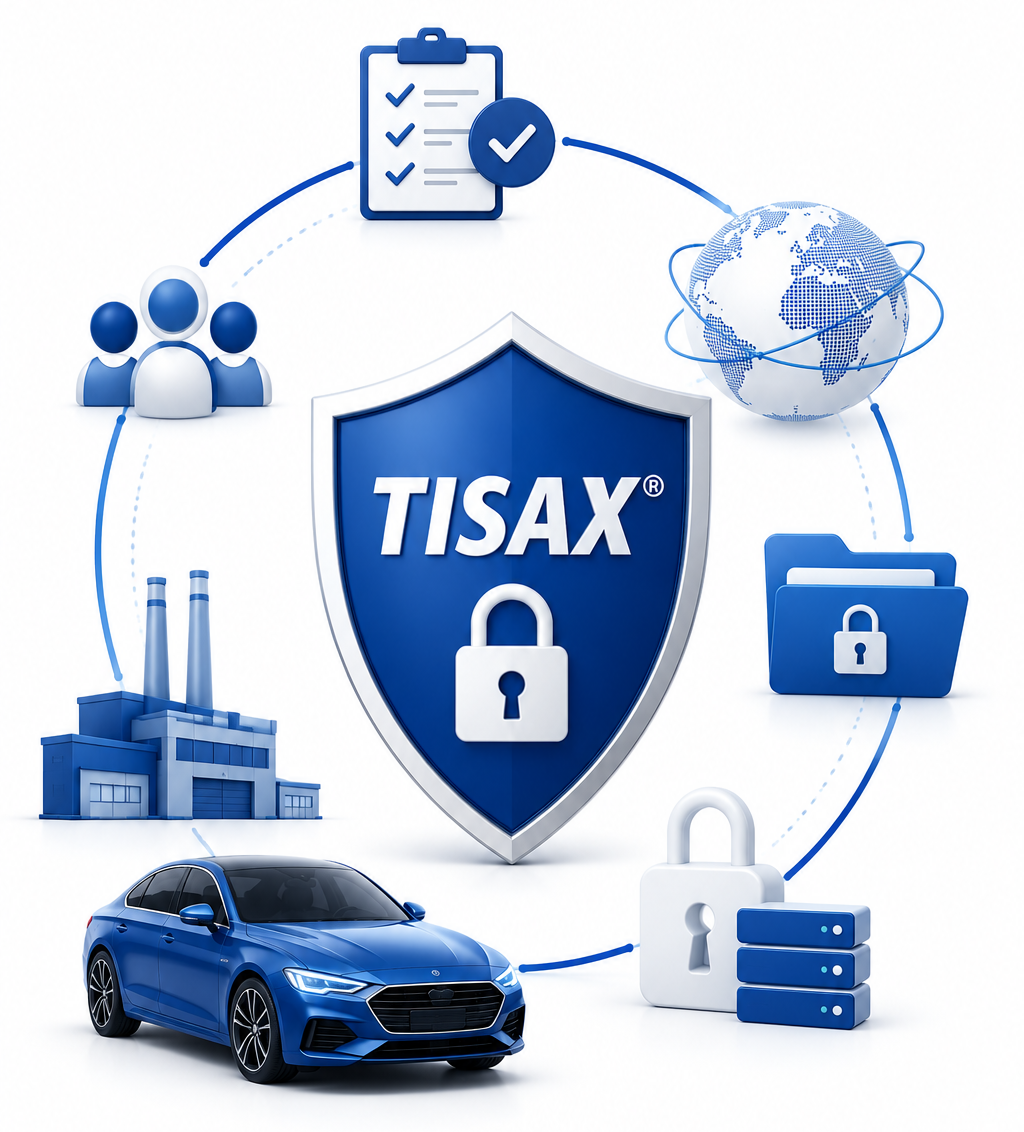
TISAX® – Trusted Information
Security Assessment Exchange
TISAX® is the automotive industry's recognized information security assessment framework for protecting sensitive information, prototype data, and intellectual property across the automotive supply chain. It enables organizations to demonstrate compliance with customer-specific information security requirements while strengthening governance and secure collaboration.
TISAX® is based on standardized Assessment Objectives and three Assurance Levels (AL1, AL2, and AL3), allowing organizations to demonstrate different levels of assurance based on customer requirements and business risks. The framework strengthens prototype protection, information security governance, supplier collaboration, and secure information exchange throughout the automotive ecosystem.
FDA 21 CFR Part 11 Compliance
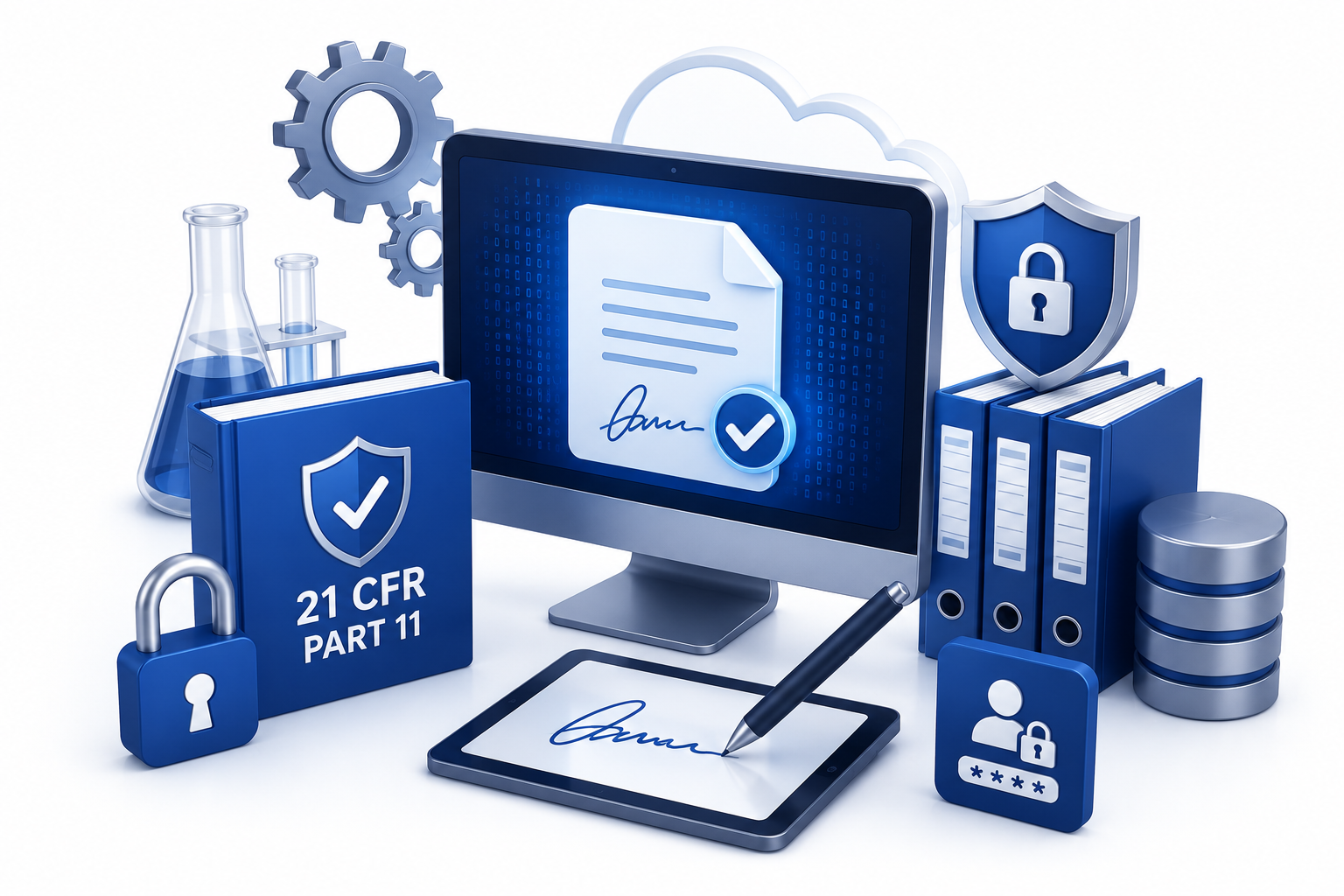
FDA 21 CFR Part 11 establishes regulatory requirements for Electronic Records and Electronic Signatures used in FDA-regulated environments. The regulation ensures that computerized systems produce trustworthy, reliable, and secure electronic records while supporting regulatory compliance and data integrity.
FDA 21 CFR Part 11 emphasizes Computerized System Validation (CSV), Electronic Records, Electronic Signatures, Audit Trails, User Access Controls, Data Integrity, Change Control, Requirements Traceability, and validation activities including Installation Qualification (IQ), Operational Qualification (OQ), and Performance Qualification (PQ) to support regulatory inspections and compliance.